
Are Autoimmune Diseases Incurable? (Part 1)
- Jul 22, 2025
- 4 min read
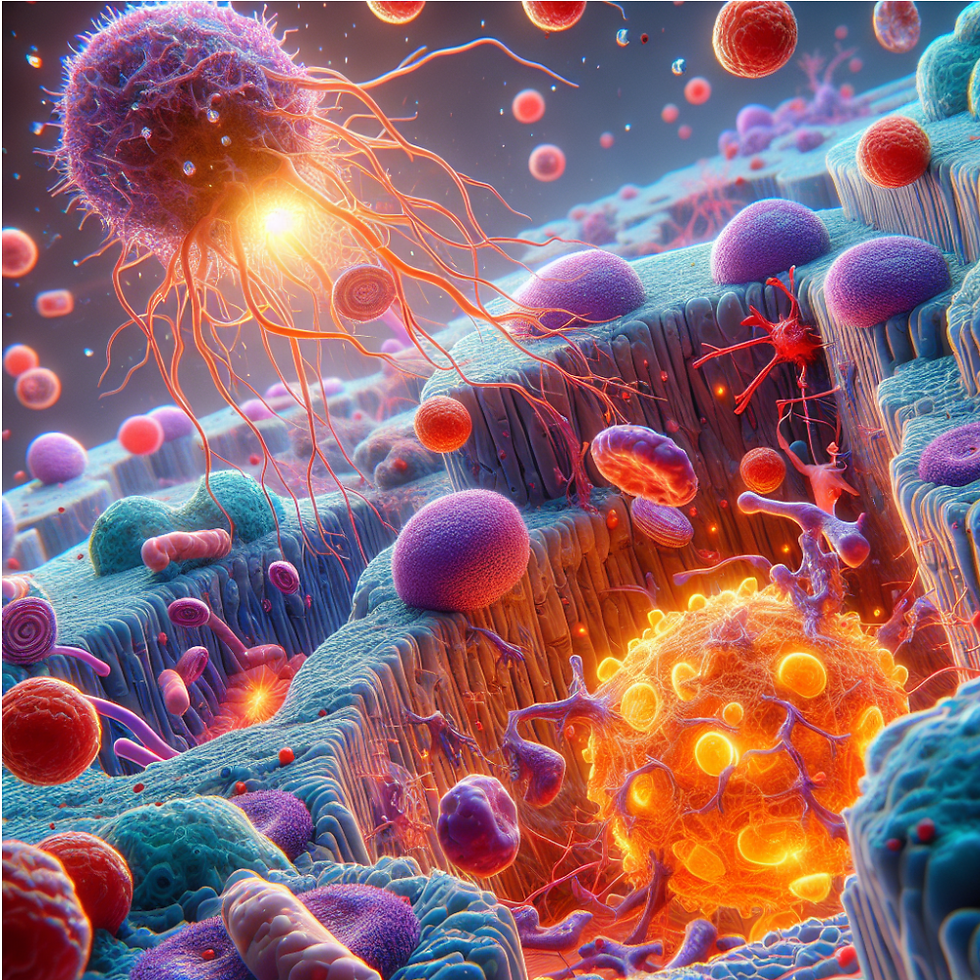
In clinical practice, I frequently encounter patients grappling with various autoimmune conditions. Autoimmune diseases can be understood along a continuum or spectrum, much like neurodivergence and the autistic spectrum. Conditions such as asthma, high blood pressure, kidney disease, and diabetes exhibit varying stages of severity and distinct symptom profiles. I often work with patients who have positive autoimmune markers but lack a definitive diagnosis, which can be a positive sign in many cases!
Autoimmune diseases comprise a complex array of disorders characterized by a malfunctioning immune system. Typically, our immune system serves as the body’s defense against disease, attacking foreign invaders like viruses and bacteria. However, in autoimmune diseases, the immune system mistakenly identifies healthy tissues as threats, launching an attack that results in inflammation and damage. Conditions like rheumatoid arthritis, type 1 diabetes, Hashimoto’s thyroiditis and multiple sclerosis exemplify this misdirected immune response, leading to chronic pain, fatigue, and a diminished quality of life.
Autoimmune disease is on the rise. It is estimated that 50 million Americans have an autoimmune diagnosis, with 75% of those affected being women. Most of my patients with autoimmune challenges share stories that intertwine genetic factors with life experiences that catalyze the disease. Triggers can include anything from acute infections and car accidents to prolonged psychological stress. Because the emergence of autoimmune conditions often stems from a combination of genetic predispositions and environmental triggers, the poor state of planetary health means we have more of those triggers–longer tick seasons, more infected mosquitos, new and virulent viruses, more mold overgrowth and subsequent mold illness. Yikes!
Once our complex immune systems are triggered, it can be hard to rebalance and recover. This is why it’s common to hear that autoimmune diseases are incurable, which may be accurate. However, this raises an important question: What does it mean to manage an autoimmune condition effectively, such that symptoms become minimal or even non-existent? If you feel vibrant and safe in your body, even during challenging times, are you “cured” or simply able to live without constantly worrying about your health?
In my work with autoimmune conditions, I focus on addressing overactive immune reactions and sensitivities. This involves reducing inflammation through tailored dietary plans and natural solutions for gut health and chronic stress (more on stress in Part 2 of this series). Given the lymphatic system's crucial role in immune health, I also prioritize optimizing lymph flow.
The first phase of treatment for any patient with an autoimmune disease involves opening the body’s elimination pathways (liver, kidneys, and lungs) to support detoxification and clear the “terrain.” Once this process is underway, I employ low-dose immunotherapy (LDI) for a more targeted approach.
Low-dose immunotherapy is an innovative tool that utilizes extremely diluted specific allergens (or pathogens/infectious agents) to disrupt particular disease patterns. These patterns, sometimes referred to as “signatures,” indicate that the immune system is “stuck” in a reactive mode, even when no active infection is present. This is why individuals can experience symptoms for years, long after the acute phase of infections like Lyme disease, Epstein-Barr virus, or strep infections has passed. The recent emergence of long Covid adds another layer to this complexity. It’s astonishing when patients tell me that their infectious disease specialists or other medical professionals claim, “there’s no such thing as chronic Lyme disease.”
One effective application of LDI involves using diluted specific antigens associated with rheumatoid arthritis to target the inflammatory processes of that condition. Another example includes utilizing diluted pathogens linked to thyroid autoimmunity, which can lead to Hashimoto’s disease, or treating chronic urinary tract symptoms (not related to acute infections) with a combination of common pathogens that irritate the bladder. I also use viral pathogens to address chronic fatigue, herpes outbreaks, and long Covid. When this therapy is effective, the results can be remarkable. Because autoimmune processes are often subtle and complex, LDI is equally nuanced and intricate—it's as much an art as it is a science.
One of my primary goals in treating autoimmune diseases is to restore the "immune identity" that is often lost. Through LDI and efforts to improve gut microbiome health, I aim to help patients retrain their immune systems to distinguish between what is self and what is not. This retraining can lead to a significant reduction in symptoms and an overall improvement in well-being.
While the journey may require time and persistence, many individuals discover that a targeted approach allows them to regain control over their immune health and restore their immune identity. Is this a definitive cure? It’s difficult to say. We all inhabit imperfect bodies that age and change. However, if we can navigate the world with greater vitality, does it matter if we carry an autoimmune diagnosis?
Working with individuals who have autoimmune issues clearly highlights the need to address both immune identity and, on a deeper level, personal identity as a whole. Subconscious beliefs may also influence how autoimmune diseases manifest in different individuals, a topic I will explore further in Part 2 of this series. Stay tuned!
A final note: I want to emphasize that I work with many patients who use both pharmaceutical interventions and natural medicine to address the underlying autoimmune phenomena. Conventional medicine often focuses on immune suppression and symptom management, which can be helpful but rarely offers a true “cure” in the sense I described. Additionally, stronger chemotherapeutic agents can have unpleasant side effects.
However, I am not dogmatic in my approach! I always prioritize minimizing patient suffering and recognize that medications can be a necessary component of treatment for these challenging conditions. It’s crucial to find a balance that works for each individual, integrating both conventional and natural therapies to support overall health and well-being. Ultimately, my goal is to empower patients to take an active role in their health, helping them navigate the complexities of autoimmune diseases while optimizing their quality of life.
Thank you for reading, and I look forward to sharing more insights in the next part of this series!
In health,Dr. Ginger
P.S. If you’re interested in the sessions exploring your health from an emotional/spiritual/subconscious level, please reach out. I am super excited to be offering this work to my patients and will be launching more formal programs soon!
Comments